24 July 2025
We are excited to share that ISCC PLUS has now reached over 6,000 valid certificates. This milestone is a clear sign that our approach of actively involving a diverse range of stakeholders in decision-making processes is worthwhile and effective. These stakeholders include policymakers, System Users, Certification Bodies, research institutes, and NGOs, to whom we are incredibly grateful for their role in this journey. Without them, ISCC PLUS would not be the voluntary certification scheme it is today, credibly communicating clear sustainability standards to businesses and consumers alike.
The Origins of ISCC PLUS
Back in the late ’00s and early ’10s, general awareness of the CO₂ footprint was on the rise, and the need to transition towards circularity was becoming increasingly prevalent.
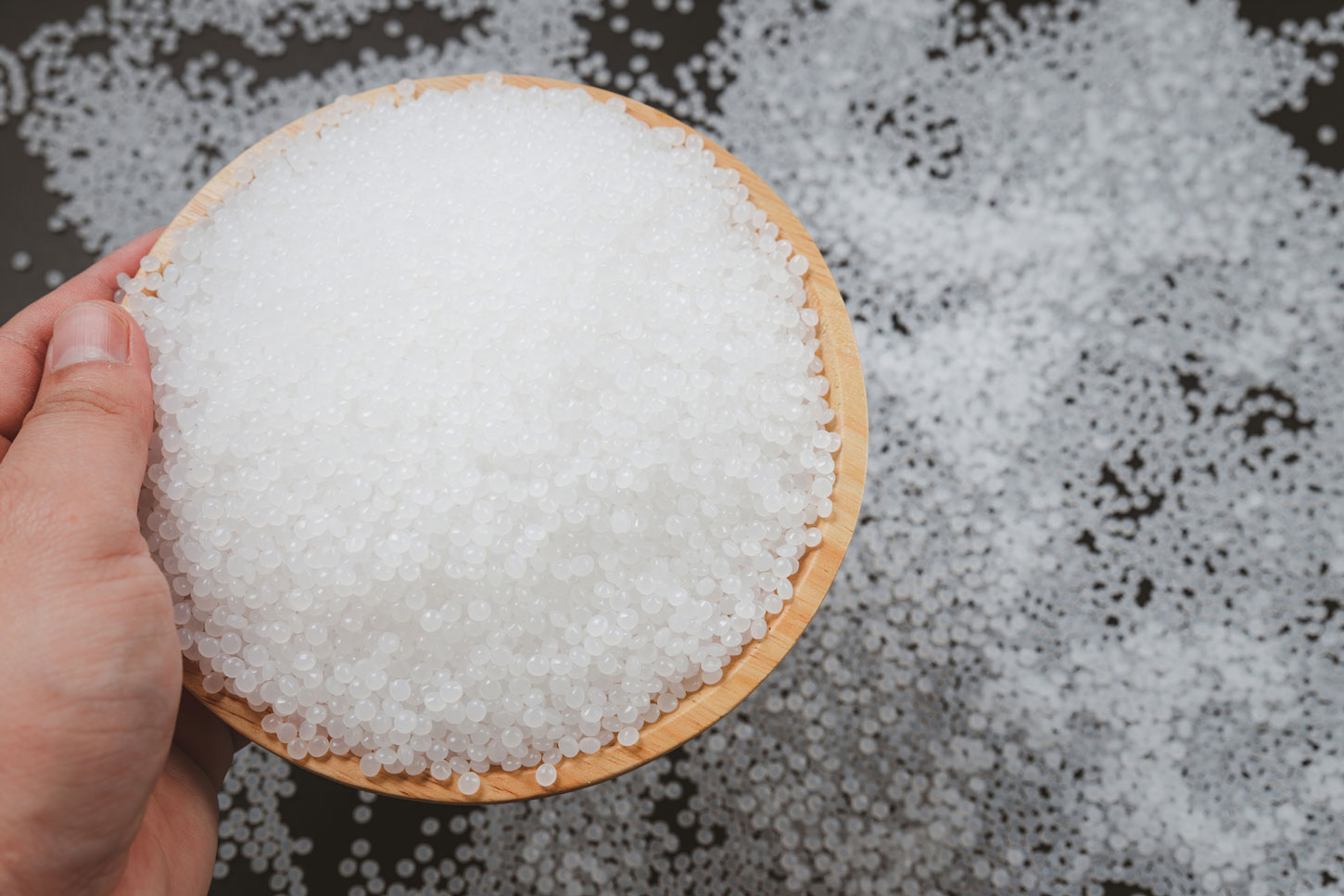
As a result, we launched the ISCC PLUS certification to support the emerging circular economy and bioeconomy by validating the sustainability characteristics of alternative feedstocks. Chemicals, fuels, and plastics soon became the primary focus of ISCC PLUS.
Did you know that ISCC PLUS:
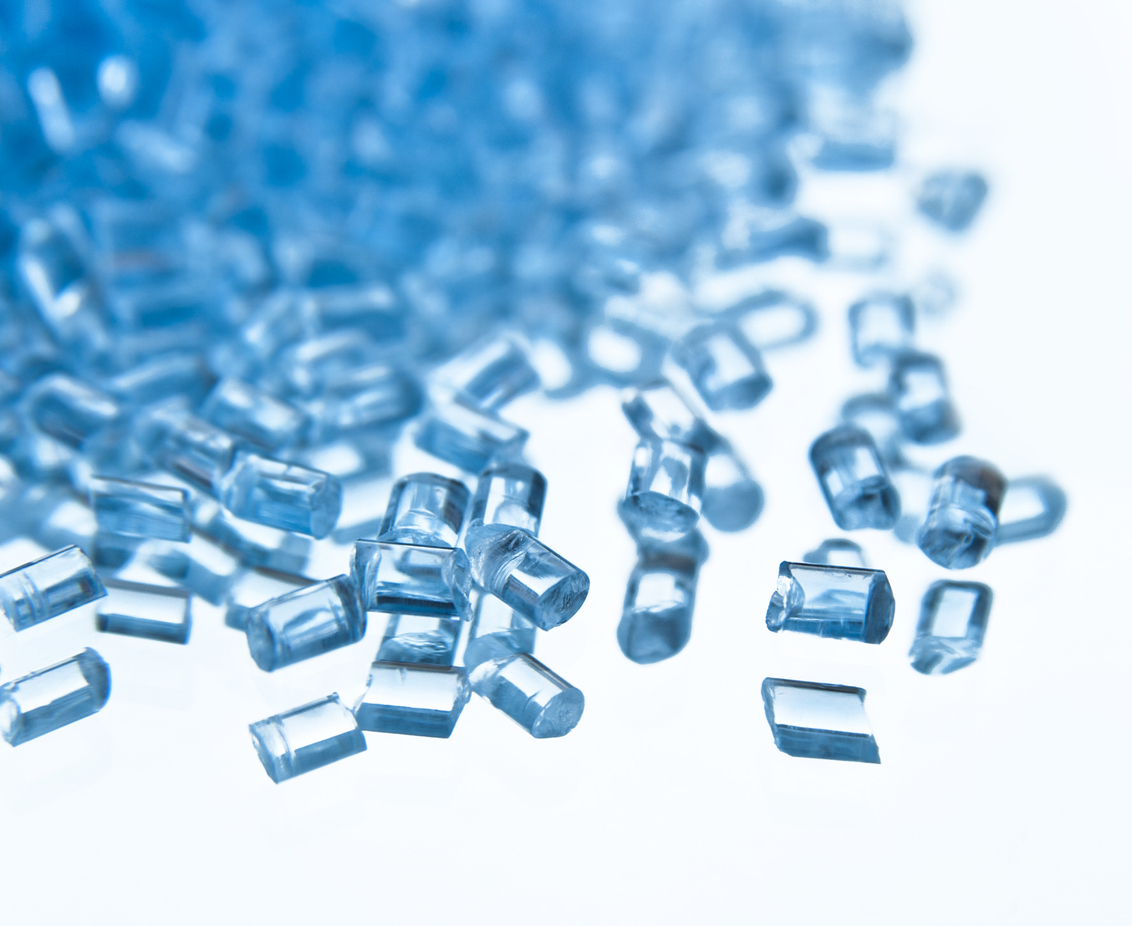
Was part of achieving the first 100% renewable carton for the liquid packaging industry in 2014? Elopak, a Norwegian packaging enterprise, collaborated with chemical company Sabic to replace the carton’s less sustainable coating with Sabic’s ISCC PLUS certified chemicals.
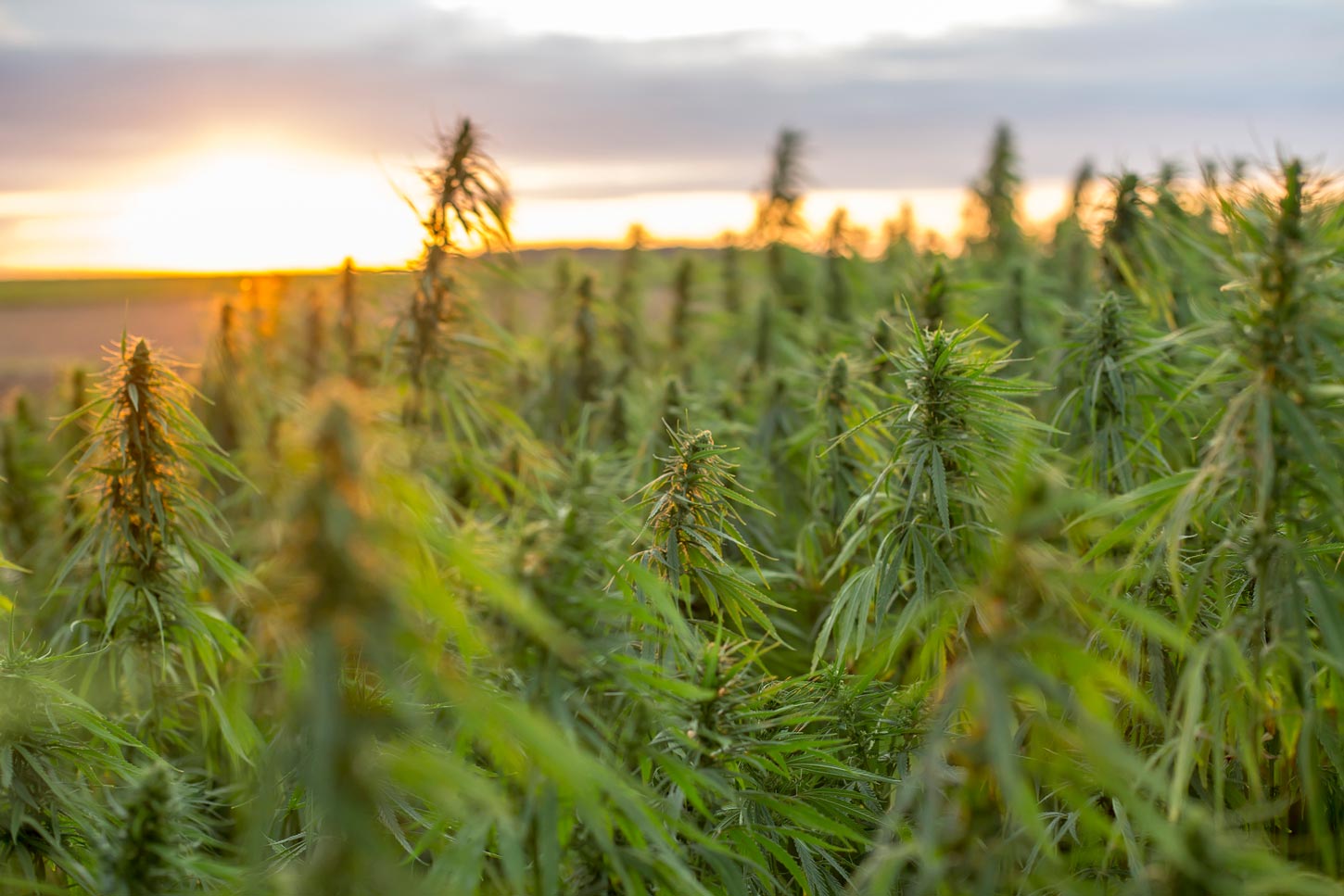
Was the world’s first sustainability certificate issued for natural fibre? HempFlax B.V received the first sustainability certificate as a natural fibre and hemp straw producer in 2016. These materials hold significant environmental benefits for automotive interiors and construction.
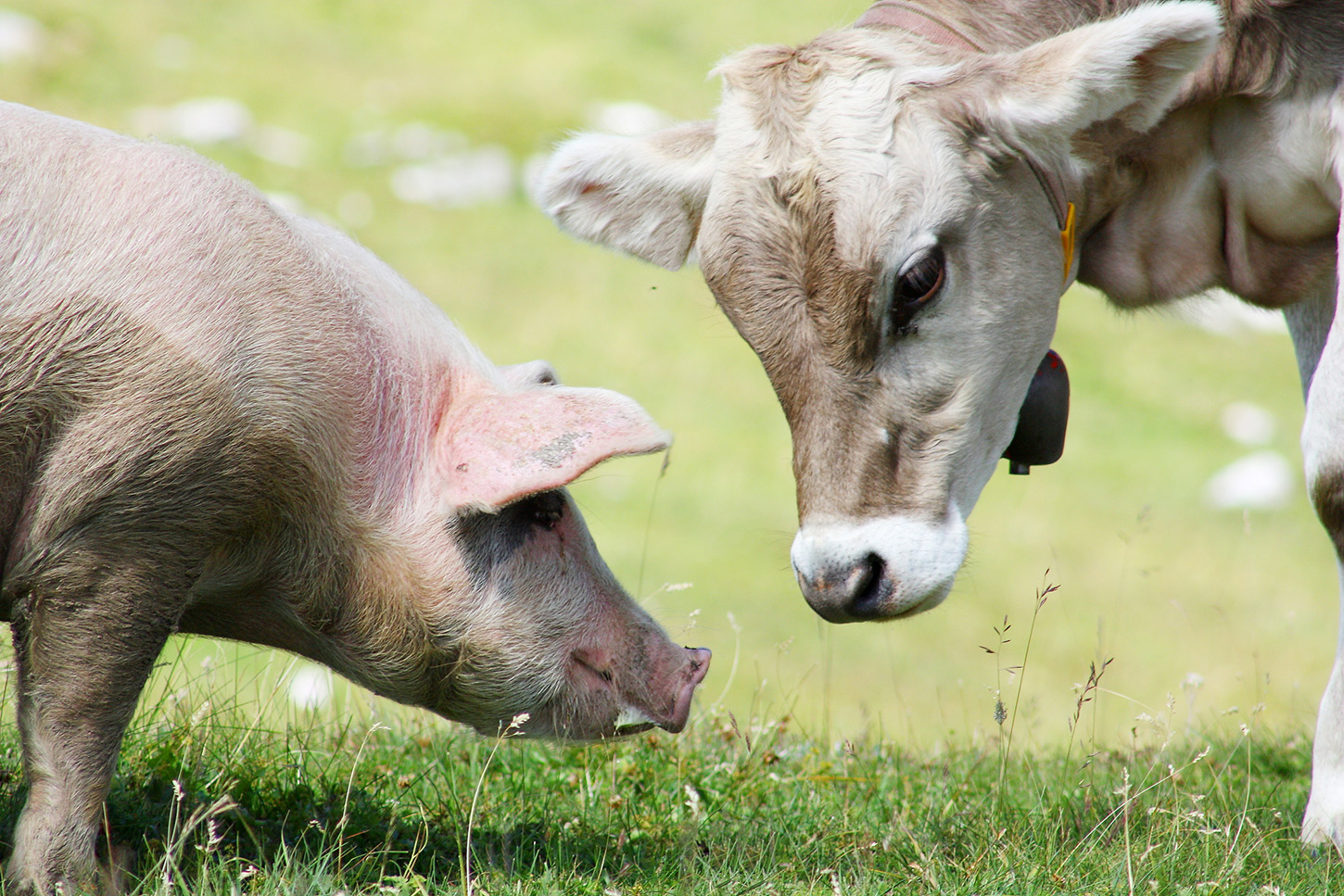
Is still growing in terms of materials and scopes as well? ISCC acknowledges the food and feed market’s interest in sustainability certification and continuously proves compliance with the requirements of organisations in the respective markets. Soft wheat, corn-based sweeteners and even rum have already been certified by ISCC PLUS, with many more materials and products to come.
The Growing Reach of ISCC PLUS
As of March 2025, ISCC PLUS is mostly certified in the Processing Units and Final Product Refinement scopes. This means that most ISCC PLUS-certified, outgoing materials are plastic components, product packaging, as well as foils and films. By doing so, more than 24 million metric tonnes of outgoing ISCC PLUS-certified materials were handled during the last certification period alone!
But apart from what is certified under ISCC PLUS, it is also worth noting where these certificates were issued. Currently, 86 countries handle at least one ISCC PLUS-certified good. Furthermore, nearly half of all ISCC PLUS certificates were awarded to businesses and stakeholders in the world’s leading economies such as China, the USA, Italy, Japan and Germany, demonstrating the scheme’s strategic relevance and growing impact.
The Future of ISCC PLUS
The future of ISCC PLUS lies in constant collaboration and partnership. We recently partnered with Amazon’s Climate Pledge Friendly (CPF) Programme, which enables customers to shop ISCC PLUS-certified goods on its platform in 14 different countries. STABILO products now feature the ISCC logo, bringing ISCC PLUS to customers, retailers and the general writing tools market.
What’s more, ISCC PLUS, combined with the Food Security Standard (FSS) add-on, also offers a robust certification framework that integrates environmental sustainability with human rights due diligence in agriculture, including the right to food. Gremca, a Colombian palm oil producer, has adopted ISCC PLUS with FSS to reinforce responsible practices, including the use of renewable energy, biodiversity protection, and social equity through worker ownership.
And as we look to the regulatory market, in early 2024, ISCC PLUS was recognised in Korea under the Post-consumer Plastic Recycled Content Labeling Policy. We also signed an Memorandum of Understanding with Korea Environment Corporation (K-eco), an organisation under the Ministry of Environment. We are now working together with K-eco to establish a system for certifying recycled materials usage in Korea.
To conclude, the scope of ISCC PLUS is as broad as its history and community, and we aim to expand its impact through continued collaboration, strategic partnerships, and shared responsibility by empowering businesses and stakeholders worldwide to further advance into the circular economy and bioeconomy.
Want to learn more about what makes ISCC PLUS such a popular choice?